What is E‑Invoicing (IRN) & E‑Way Bill Lifecycle in India?
Most businesses think GST compliance ends once an invoice is generated. In reality, that’s exactly where the most complex part begins — the lifecycle of goods movement.
Introduction:
With GST digitization in India, E-Invoicing (IRN) and E-Way Bills (EWB) have become mandatory for many businesses. While most organizations have automated invoice generation, a large number still struggle with what happens after the invoice is created.
And that’s where the real risk lies.
Consider a typical manufacturing company:
Invoice is generated in ERP → IRN is successfully created
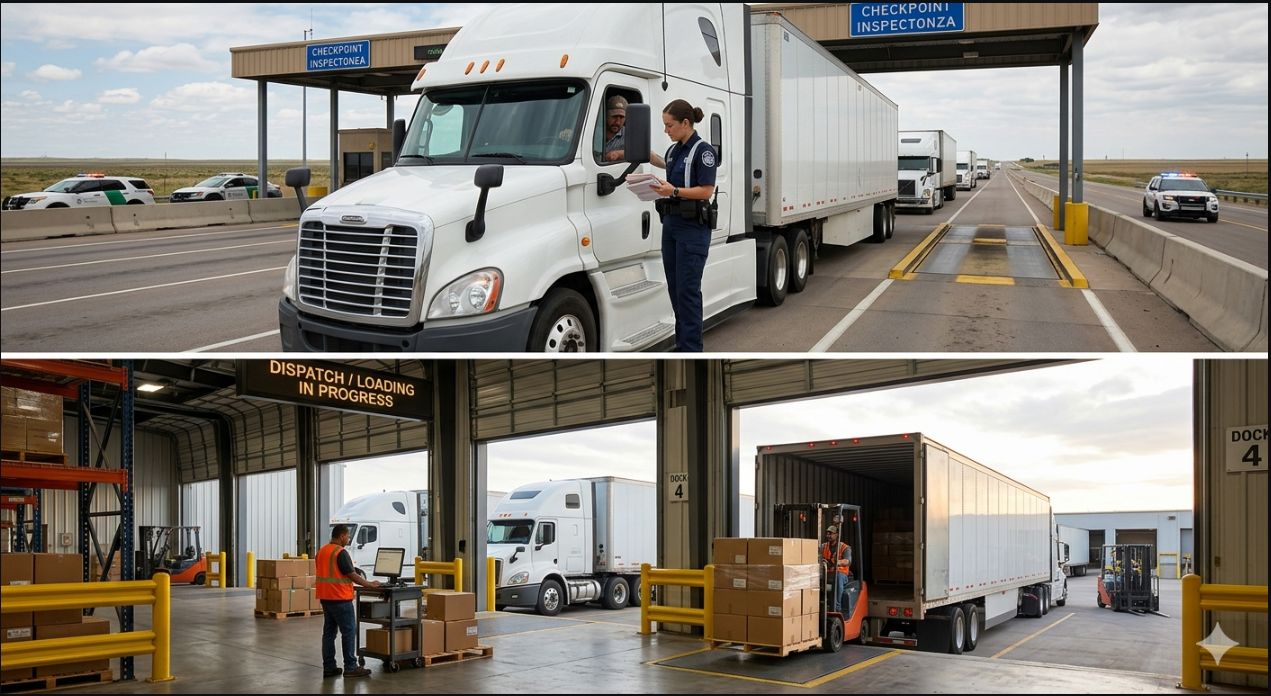
Goods are loaded and dispatched → E-Way Bill is generated
Mid-route, the truck breaks down → vehicle needs to be changed
Delay occurs → EWB validity expires
At checkpoint → goods are held due to invalid EWB
- The invoice was compliant.
- The filing was correct.
But the movement failed compliance.
Understanding the Full Lifecycle:
In practice, GST compliance is not a single-step event. It is a multi-stage lifecycle:
Invoice creation and IRN generation
EWB generation (linked or standalone)
Assignment of transport details (Part-B)
Physical movement of goods
Real-time changes:
Vehicle replacement
Route adjustments
Splitting shipments
Exception handling:
Expiry extension
Cancellation
Consolidation (CEWB)
The Hidden Gap
Most tools in the market are strong in:
IRN generation
GST return filing
But they struggle with:
Managing lifecycle events
Handling real-time updates
Maintaining audit visibility
A Better Way to Think About Compliance
Modern enterprises are beginning to realize:
GST compliance is not a tax problem alone — it is a movement and execution problem.
Where Complifly Fits
Complifly is designed as:
An ERP-integrated IRN + EWB lifecycle platform
It goes beyond generation to manage:
End-to-end EWB lifecycle
Multi-vehicle scenarios
Consolidated EWB
Audit trails for every change
Core data privacy controls aligned with DPDP principles are already in place, with ongoing enhancements to achieve full compliance.